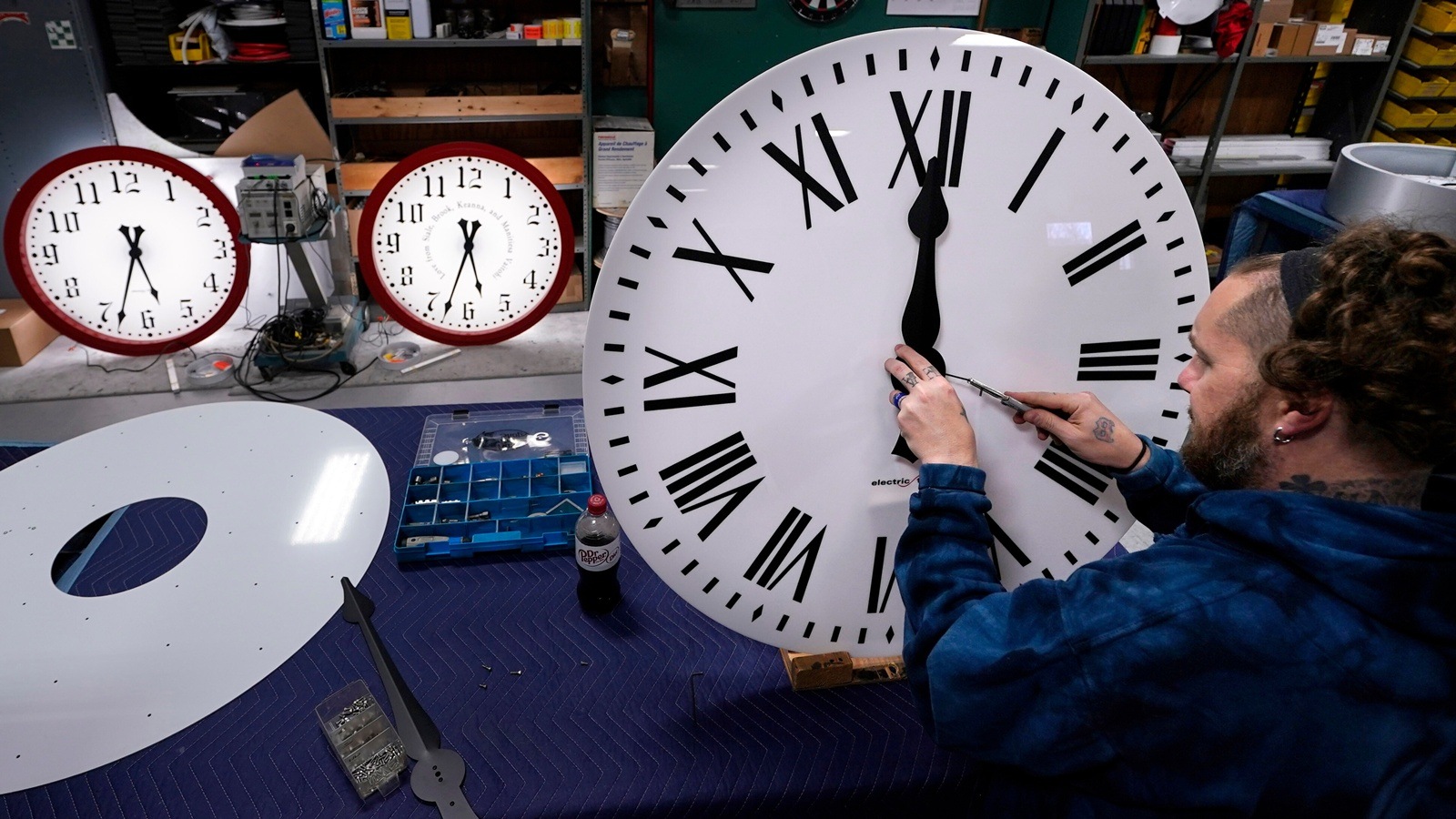
How springing forward to daylight saving time could affect your health
Published on: March 8, 2026, 1:02 a.m. | Source: The Indian Express
Daylight saving time begins Sunday at 2 a.m. in most of the U.S., causing clocks to “spring forward” and people to lose an hour of sleep, which can disrupt the body’s circadian rhythm. The sudden shift leads to darker mornings and brighter evenings, delaying the release of the sleep hormone melatonin and potentially causing sleep problems for weeks. Studies have linked the time change to short-term increases in heart attacks, strokes, and fatal car crashes due to sleep deprivation and circadian disruption. Experts suggest adjusting sleep schedules earlier, getting morning sunlight, and avoiding late caffeine or screen exposure to help the body adapt. Debate continues in the U.S. over ending the clock changes, with some health groups recommending permanent standard time for better alignment with human biology.

